

Electric Certificates For Landlords - Your Responsibilities
It's essential to maintain your property if you are a landlord. You'll have to make sure that your electrics meet certain standards.
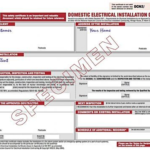
Landlords should have their electrical installations checked and tested by a qualified person at regular intervals. These inspections are known as EICRs or electrical installation condition reports.
Legal Requirements
Landlords have a lot of responsibilities to fulfill in order for their properties and tenants to be secure. Incorrect wiring is among the leading causes of house fires in the UK and that's why it's vital that you take the necessary steps to make sure your electrical system is up to standard.
Landlords are legally required to ensure that their electrical installation is in good condition prior to renting it out to tenants. This can prevent damage to your property and save you money over the long run.
You will need to inspect and test your electrical equipment as a landlord in order to comply with the legal requirements. An electrician will visit your home to test and inspect your electrical system. The report will contain details of any problems found and recommendations for remedial work.
The law requires that all tenants who rent a property must receive an updated copy of the most recent report. You must also provide this report to the local authority in the event that it requests it.
electrical certificate uk don't have to obtain an electric certification each time you let out your property, however if it's been at least five years since the last certificate was issued, it will be required to conduct a new electrical safety inspection. The EICR is an official document that outlines the results of the test as well as any repairs needed. It is vital to have this document in order to provide the necessary information to your tenants and local authorities.
It has been recommended that an EICR be taken every ten years. This has been changed to a requirement of five years beginning in July 2020.
This means that if your tenancy was began prior to the change in regulations, then you won't need to be concerned about getting an electrical certificate for the first time until 1 April 2021. However, you will require an update as soon as you can in the event that your tenancy has been extended and the previous one is expired.
How to Ensure Your Tenants' Safety
If you let a property you own, you are responsible to make sure that the electrical installations are safe. This could involve hiring an engineer who will inspect the property and test the electrical wiring.
To ensure your tenants are secure, there are some legal requirements you must meet. This includes registering anyone who uses gas appliances or flues on the Gas Safe Register. If you do not comply with these regulations you could be subject to a fine from your local authority.
It's also vital to have an expert, independent electrical inspection done by an electrician. This will allow you to detect any potential issues with your electrical system , and help you out in the event that something goes wrong.
It is recommended to employ an electrician who is qualified and licensed to examine your electrical installation. Also, make sure that you have a valid EICR certificate in your possession after the inspection is complete. This document will show the landlord and the local authority as well as anyone else who needs it that your electrical system was checked in accordance with the current regulations.
This is a great way to avoid any future issues related to your property's electrical systems. It also reduces the chance of injuries or fire. To ensure that your tenants are safe you should give them a copy the EICR.
You'll have to address any areas that were marked by the inspector on your EICR. If the report contains the C1 or C2 classification, it indicates that there is a immediate danger for your tenant or any other within the building. You need to immediately get this remedial work completed.
If you do not take corrective actions the local authority could issue a remedial note and apply sanctions in the form of monetary penalties. This could amount to PS30,000.
Your local authority can make recommendations for improving the electrical installation of your home in case it is in poor condition. They will then issue an order to correct the issue, which will require you to follow their recommendations and implement the improvements within a certain time frame.
Maintaining Your Property in Excellent Maintaining Your Property in Good
Maintaining your property's well-maintained condition is one of your biggest responsibilities as landlord. Proper maintenance practices will make your property attractive to prospective tenants and help you save money in the future. A insurance policy will make sure your property is secured in the event of an accident.
It is crucial to make the effort to examine your home to ensure you aren't spending your hard-earned money on unnecessary repairs. Regular inspections of your property should include an inspection of the ceilings floors, walls as well as electrical installations. It is important to keep in mind that some appliances might have a shorter lifespan, which is why it is essential to replace them as needed.
You can also ensure you get the best value for your money by hiring the right electricians to do your inspection. A best practice is to pick a reputable firm with at least five years of experience and who are members of the relevant trade bodies. You must be able to rely on the people you can trust to finish the job properly in this highly competitive field.
Staying Safe
You are responsible for the maintenance of electronic certificates. You could be facing severe legal penalties and lose the right to let your property if you don't. You could also be held responsible for any injuries a tenant suffers in your premises due to inadequate wiring.
The Electrical Safety Standards in the Private Rented Sector in England Regulations 2020 came into effect on June 20, 2020. They required landlords to test all electrical installations and inspected by licensed electricians as a legal requirement. This was initially introduced to new tenancies. However it will now be applicable to existing tenancies beginning in April 2021.
During an inspection an electrician will determine whether your property's wiring is in good condition and is in compliance with all regulations. They will also determine any issues that need to be addressed before they pose a danger.
They will also check the security of your property's fuse box, sockets and plugs. This will ensure that your tenants are protected from electrical hazards and prevent costly repairs in the near future.
The report will also include an identification code that will categorize your installation. It will show whether it is satisfactory. The classification code will give an indication of the extent of any issues. If you have any concerns you may ask the electrician for advice.
You can then have your electrical systems examined by the same electrician to make sure they are in compliance with the latest regulations and are in good condition. The report will contain the '5-year inspection and testing section, and you can use it to remind yourself of the time to perform another EICR.
If you are issued an EICR, it will contain the date when the electrician did their work on your property, and this should aid you in remembering when you need to have your home inspected. This will ensure that you do not fall foul of any legal requirements and will aid in protecting your investment.